The Statement in the Drawer: A Half-Hour Rehearsal for the Day Something Goes Wrong
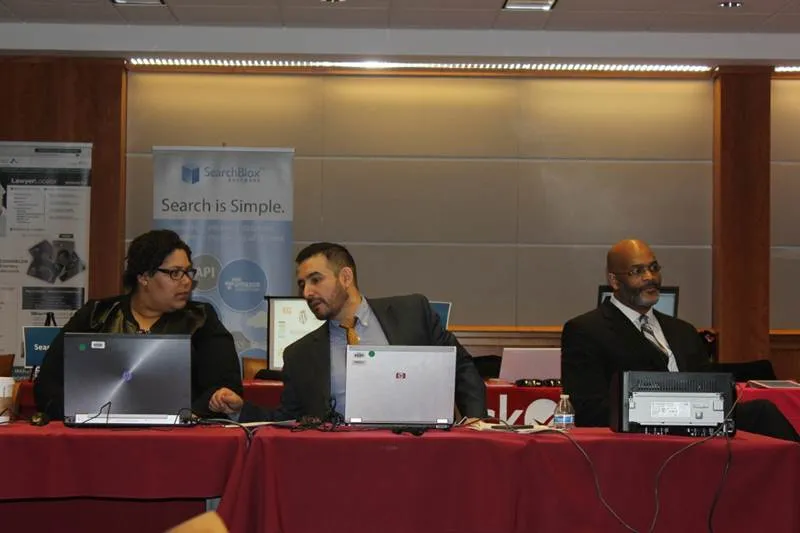
Photo: Federal Communications Commission, Public domain, via Wikimedia Commons
There's a document on your shared drive. It's called something like Crisis Comms Plan v3 FINAL. It has a logo on the cover and a flowchart on page four, and nobody has opened it since the afternoon it was agreed. That's not a criticism — it's just what happens when a plan is built to be approved rather than used.
The problem shows up on the worst possible morning. A supplier goes under and half your orders are stuck. Or a laptop goes missing with client details on it. Or someone posts something on LinkedIn about a manager, and by lunchtime a local reporter has DM'd you asking for a comment by 4pm.
You don't need a bunker for that. You need half an hour with three people and a blank page. Here's the drill.
Why a rehearsal beats a document
Crisis plans tend to fail for boring, human reasons. The named spokesperson is on annual leave. The person who approves statements left in March. The only copy of the plan sits behind a login that IT changed.
A tabletop drill doesn't solve any of that on paper. It solves it in the room, because you find out who actually freezes, who actually picks up the phone, and which of your carefully agreed approval steps adds three hours to a two-hour deadline.
Half an hour is enough. Not enough to be thorough — enough to be honest.
Set the clock: the 30-minute structure
Minutes 0–5: Read the scenario aloud. One person reads it and nobody interrupts. The detail matters less than the speed at which everyone realises they don't know what to do.
Minutes 5–15: Draft the holding statement. Not a final statement. A holding statement: the short, honest, slightly dull paragraph that buys you time. Write it from scratch, on the clock.
Minutes 15–20: Assign the calls. Who rings the affected client? Who tells the team? Who talks to the journalist? Three names, written down.
Minutes 20–30: Debrief and fix one thing. Not five things. One.
Pick a scenario that actually fits your business
Generic scenarios produce generic answers. Choose something plausible enough to make the room uncomfortable.
- Supplier failure. Your main manufacturer has gone into administration and you can't fulfil orders promised for next week. Customers are already emailing.
- Data incident. A staff laptop is stolen from a car. It has a spreadsheet with client names and contact details on it. Under UK GDPR you've got 72 hours to assess whether the ICO needs to be told — and the clock started when you became aware, not when you finished panicking.
- Staff allegation. A former employee has posted publicly about how they were treated, it's picking up shares, and a trade title has asked for a response.
Run one, not three. You can rotate scenarios quarterly.
The holding statement: what good looks like
A holding statement does three jobs. It acknowledges that something has happened. It says what you're doing about it right now. It promises a time you'll say more — and then you hit that time.
A usable template, brackets and all:
We're aware of [situation] affecting [who]. We're taking it seriously and have [specific action: paused deliveries / launched an internal review / notified the relevant authorities]. Our priority is [customers / staff / getting accurate information to the people affected]. We'll provide a further update by [time and date]. For anything urgent in the meantime, contact [name, email, phone].
Three things make the difference between a statement that calms things down and one that fans them.
Be specific about the action. "We take this extremely seriously" is a sentence that has never reassured anybody. "We've stopped dispatching orders from that site and are contacting everyone affected today" does actual work.
Never say "no comment". It reads as guilt, even when it's just a lawyer being careful. If you genuinely can't say anything yet, say why: "We're not able to share details while we speak to the people involved, but we will by Thursday."
Give a time and keep it. A promise of a further update is a small contract. Missing it turns one bad story into a running one.
Who speaks, and who absolutely doesn't
In the drill, name one primary spokesperson and one deputy. That's it. A committee of five giving five slightly different accounts to five different journalists is how a manageable incident becomes a credibility problem.
Then name the approver. In most SMEs this is one person — a founder, MD or ops director — and the rule should be simple: if they can't be reached in 30 minutes, the spokesperson sends the holding statement anyway. Waiting for a signature is the most common way small firms lose control of the narrative.
Brief everyone else to do one thing: redirect. No off-the-record guesses, no "I think it's probably fine", no WhatsApp voice notes to a friendly journalist. Unglamorous, but it's the whole game.
When saying nothing is the right call
Not every flare-up needs a response. If a single disgruntled review appears, or a competitor's post takes a vague swipe, replying can amplify something that would otherwise have died quietly by teatime.
Three rough tests for staying quiet: is anyone outside your immediate circle talking about it? Is there a factual error you'd need to correct? Would your customers actually care?
If the answer to all three is no, log it and move on. The drill should include a silence decision too — practising restraint is as useful as practising statements.
The one thing you fix afterwards
At minute 20, don't produce an action plan with fourteen items. Pick the single weakest link you found. The approver's mobile number is out of date. Nobody knows who holds the media list. The holding statement template lives in a folder only two people can access.
Fix that one thing this week. Then diarise the next drill for the following quarter with a different scenario. Over a year you'll have four fixes and four rehearsals, which is more crisis readiness than most firms twice your size can claim.
And print the statement. Put it in a drawer. Not because paper is superior, but because a document you've physically handled and rewritten once is a document you'll remember exists when the phone goes at 8:40 on a Monday.
That's the whole point of cutting through the noise: not shouting loudest when it kicks off, but being the one who sounds like they knew what they were doing.